Plant
Selected rhizome pieces are set into warm, moist, well-drained soil as rains begin.
THE GOLDEN ROOT
Curcuma longa L.
SPICE & SOURCE
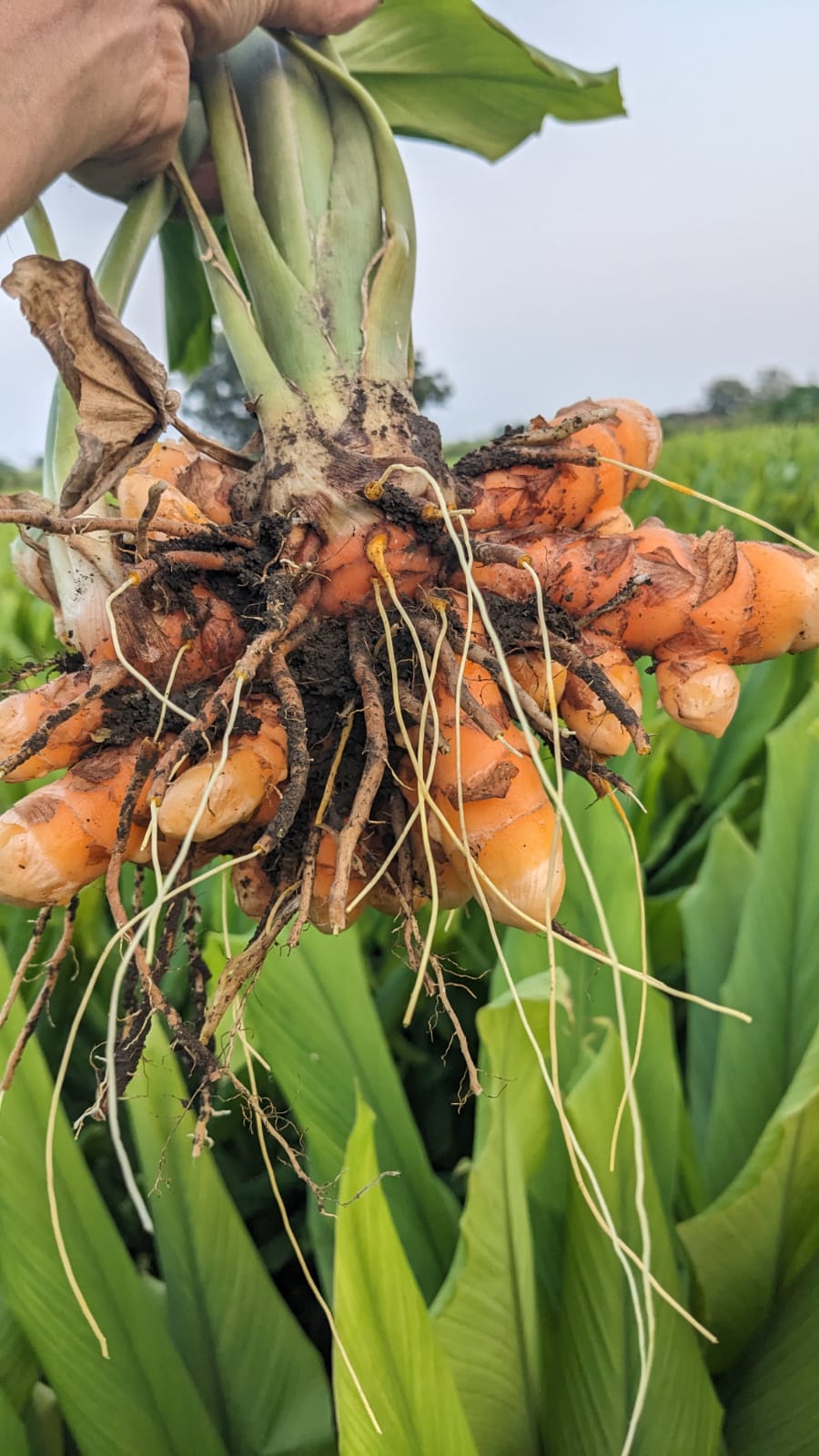
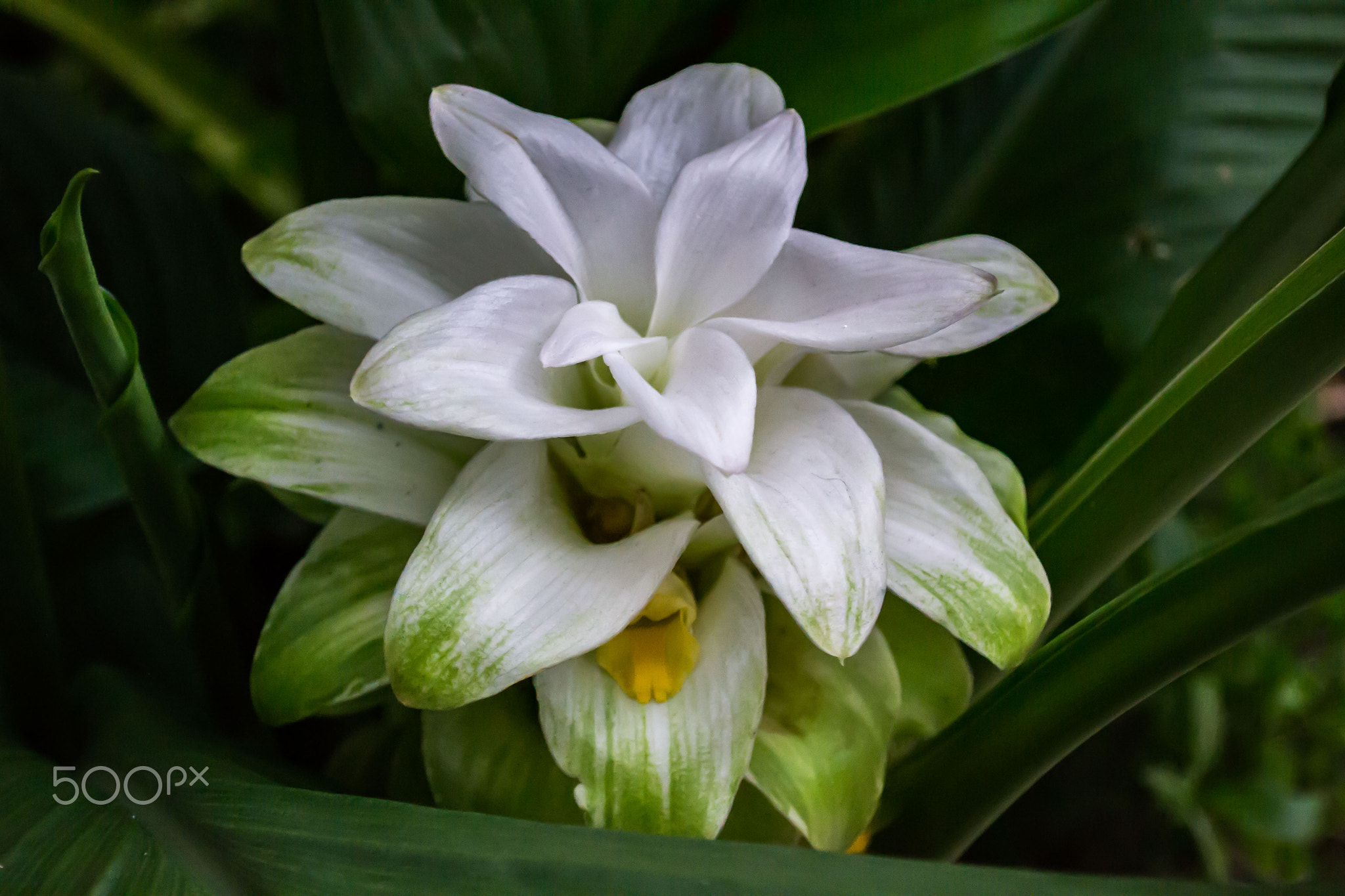
The brilliant orange fingers used in kitchens grow underground, beneath a leafy plant related to ginger.
COLOR BENEATH THE SOIL
Turmeric is the dried rhizome of a herbaceous perennial in the ginger family. Its vivid color, earthy flavor and ability to stain made it a culinary ingredient, dye and ritual material across South Asia.
What looks like a root is a rhizome: a modified underground stem that stores energy and sends up broad leaves. India remains central to turmeric's diversity, cultivation and cultural life.
MANY LANGUAGES · ONE SPICE
THE JOURNEY
A simplified cultural path through cultivation, exchange and changing forms of use.
Turmeric has long been propagated from pieces of rhizome rather than seed, embedding each harvest in a cycle of farmer selection and local knowledge.
Across regional traditions it seasons food, colors textiles and appears in religious and life-cycle ceremonies.
Commercial networks carried dried turmeric into kitchens across the Indian Ocean and beyond.
Curcuminoids—especially curcumin—became subjects of modern chemical and clinical research, where promising mechanisms still require careful human evidence.
FROM RHIZOME TO GOLDEN POWDER
Selected rhizome pieces are set into warm, moist, well-drained soil as rains begin.
Leafy shoots rise while new fingers multiply beneath the soil over several months.
When the foliage yellows and dries, the rhizome clusters are lifted and cleaned.
Rhizomes for commerce are commonly boiled, dried and polished before sale whole or ground.
THE SENSORY PROFILE
Turmeric brings color more dramatically than heat. Its flavor is earthy, gently bitter and musky, with a warm ginger-like edge that becomes rounder in fat and during cooking.
RESEARCH LENS
Curcumin is one of turmeric's best-known curcuminoids. Laboratory activity does not by itself establish a treatment, effective dose or benefit in people; formulation and bioavailability also matter.
Divine Spices separates food tradition, historical use and clinical evidence. This profile is educational and is not medical advice.
STARTING SOURCES